The starting point
What makes an ink?
Inks contain pigments or dyes in a liquid or paste. The material and its formulation determine how it can be applied and observed.
MaxMax’s material guide distinguishes solutions from suspensions, and fluorescence from phosphorescence. Fluorescent emission decays rapidly when excitation is removed; phosphorescent materials can continue emitting after excitation ends.
Read the original material definitionsDifferent responses.
Different methods.
Ultraviolet-responsive inks
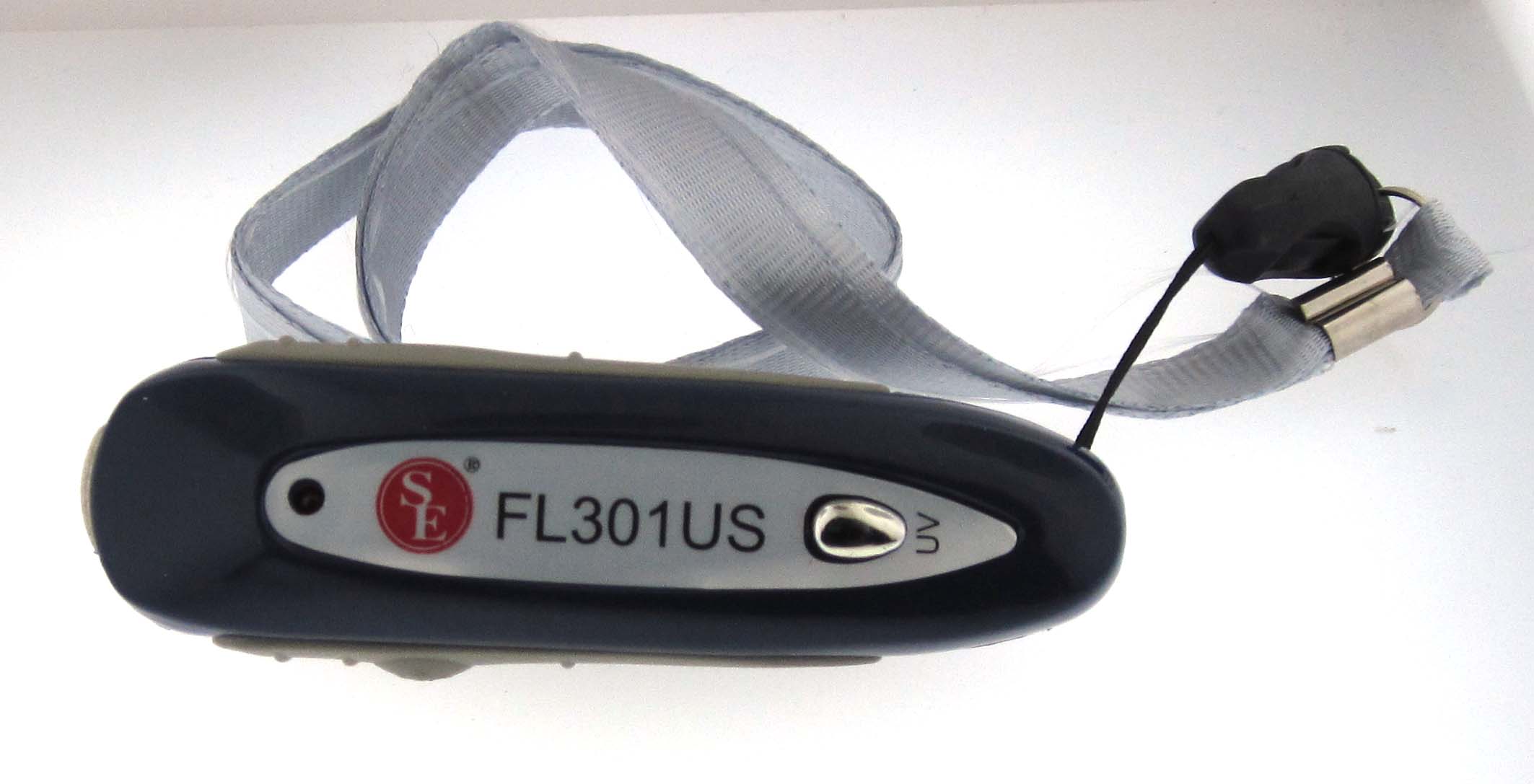
Explore fluorescent inks and the original examples under ultraviolet illumination.
Read the material guideInfrared-absorbing ink
Read the IRP1 absorption information and its example detection configuration. An ordinary photograph does not show its infrared response.
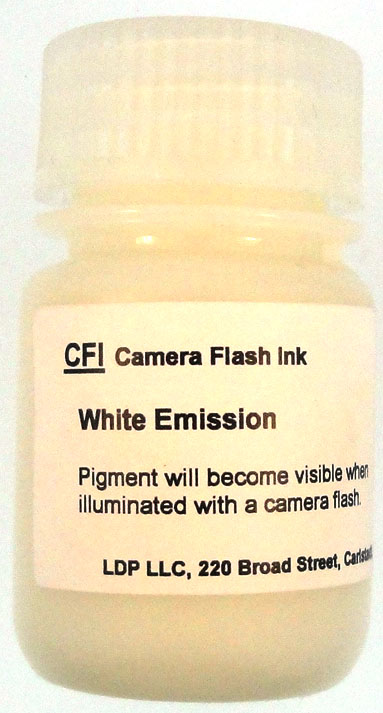
Read the material guideCamera flash ink
Compare regular illumination with a photograph taken using an electronic flash.
Read the material guideVisible inks
Explore the original visible-ink materials and application information.
Read the material guideChoose how to observe.
Begin with the specific material’s technical information. Then consider illumination, the viewing method and any camera or filter requirements together.
Check the configuration
Review the material documentation and discuss your application before selecting equipment.
Ask MaxMax